Mold Remediation for Your Home
Request a mold remediation estimate
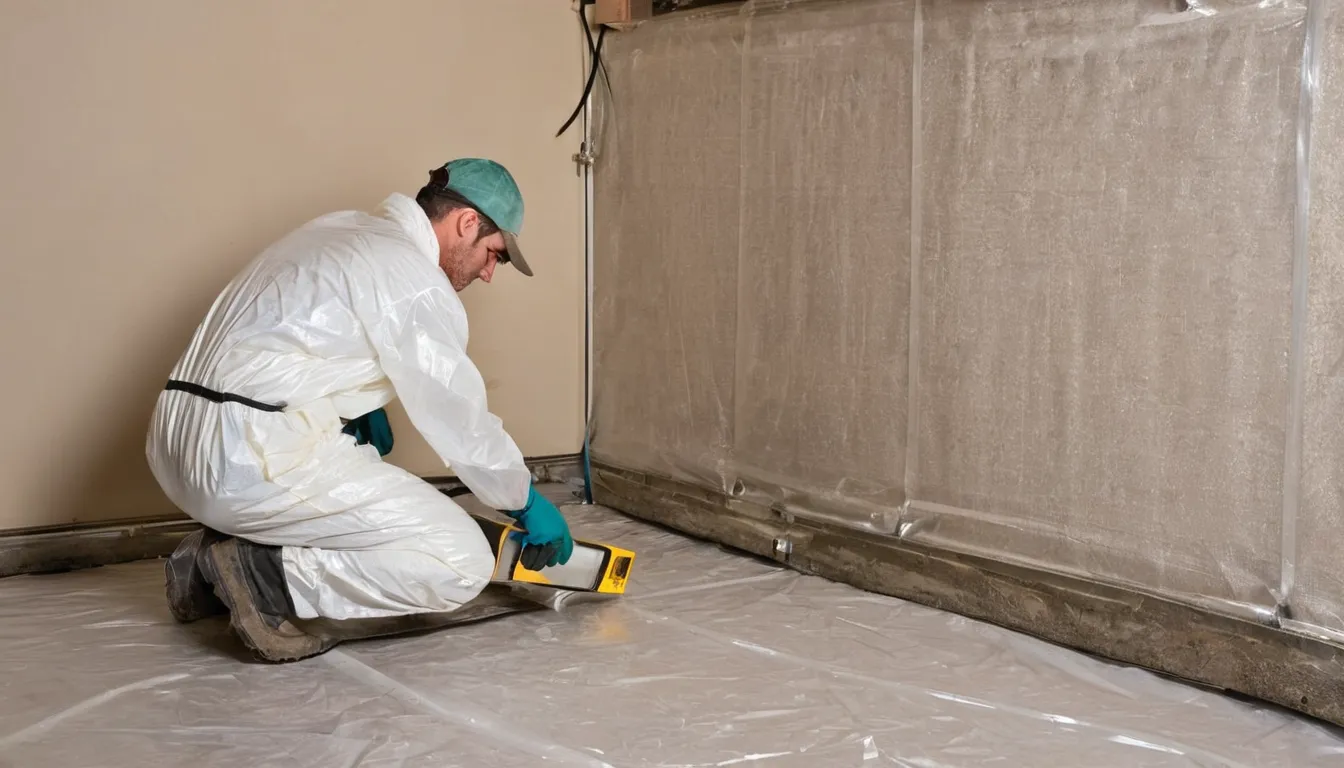
Mold remediation is the full job of dealing with a mold problem in a house. The provider closes off the area, takes out the materials mold has soaked into, cleans what can be saved, and dries the space. The goal is to get mold growth back to normal background levels and stop it from coming back.
Healthuses Mold Help does not do this work. We are a referral service. You describe the problem, and we connect you with an independent provider in the Columbus area who handles residential mold removal. The provider inspects, quotes in writing, and does the job if you hire them. Many jobs here start in basements, attics and bathrooms, often in houses that have seen a few decades of leaks and repairs.
Seeing Mold Right Now? Do This First
Stop the water if you can. Shut off a leaking supply line. Run the sump pump. Put a fan on wet floors, but keep it from blowing across the moldy area. Then get a provider out to look.
Do not scrub dry mold or knock it loose. That spreads spores to other rooms. Leave it alone until the job is planned.
Waiting Makes the Job Bigger
Mold keeps growing as long as it has moisture and something to feed on. Drywall paper, wood and carpet backing are all food. A spot the size of a dinner plate in March can cover a wall section by summer. Bigger area means more tear-out and a higher bill. That is the plain reason to act early.
What the Work Looks Like
Inspection and Plan
The provider finds the edges of the problem. They often use a moisture meter, and sometimes a thermal camera, to see how far the wet area goes. Then they write a scope.
Containment
Plastic sheeting goes up around the work area. A negative air machine with a HEPA filter pulls air out so spores stay inside the zone. This keeps the rest of the house clean while work goes on.
Removal and Cleaning
Porous materials with mold growth, like drywall, insulation and carpet pad, usually come out. Hard surfaces like framing and concrete get cleaned and sometimes sanded. HEPA vacuums pick up the dust.
Drying
The area dries with dehumidifiers and fans until moisture readings are normal. Rebuilding waits until it is dry.
The Water Source Comes First
Remediation without a moisture fix is money down the drain. Common sources in this region are failed sump pumps, cracked foundation walls, clogged gutters, and attic condensation in cold months. Older homes add more: old cast iron drains, single-pane windows, and roof flashing that was patched more than once.
Ask the provider what caused the growth. If they cannot say, ask more questions before you sign. Some providers fix the source themselves. Others point you to a plumber or roofer.
Older Homes Need Extra Care
Houses built decades ago may have plaster walls, old paneling or materials that need testing before they are disturbed. A careful provider asks about the age of the house and checks before cutting. Mention any past floods or repairs when you request an estimate.
Insurance and Your Policy
Some policies may cover mold that follows a sudden event, like a burst pipe or a failed water heater. Mold from slow leaks or humidity is often excluded. Read your policy or call your agent. Providers can often help document damage for a claim with photos and moisture readings.
How to Pick a Provider
Ask these questions:
- What caused this, and how will it be fixed?
- How will you contain the area?
- What will be removed, and what will be cleaned?
- How will you check the result when you finish?
- Are you licensed and insured for this work?
Get the answers in writing. Compare two quotes if the job is large.
Request a callback to check provider availability, or use the estimate form.
After the Job
The provider should show you the cleaned and dried area before anything gets rebuilt. Some homeowners hire a separate inspector for clearance testing. That is your call. After that, keep basement humidity under about 50 percent, keep gutters clear, and test the sump pump each spring.
What's Included
Moisture Mapping and Scope
The provider measures how far the wet area goes and writes down what needs to be done.
Plastic Containment With HEPA
Sheeting and filtered air machines keep spores inside the work zone and out of other rooms.
Removal of Materials
Moldy drywall, insulation and carpet pad come out and get bagged.
Cleaning and Final Drying
Framing and hard surfaces get cleaned, then the area dries to normal readings.
What Mold Remediation Typically Costs
Prices depend on how much area is affected, how hard it is to reach, and what has to come out. These are typical U.S. ranges. Your job may differ. Get a written quote before work starts.
| Job | Typical range | Notes |
|---|---|---|
| Small area under 10 sq ft | $300 to $1,000 | Often one wall section or a closet corner |
| Bathroom or laundry room | $500 to $2,500 | Depends on drywall and subfloor damage |
| Basement section | $1,500 to $5,000 | More if insulation and finished walls come out |
| Attic roof deck | $1,500 to $6,000 | Access and roof size drive the price |
| Crawl space | $1,000 to $4,000 | May include a vapor barrier |
| Whole-floor or large job | $5,000 to $15,000+ | After flooding or long hidden leaks |
How It Works
Describe the Mold
Tell us where it is, roughly how big, and whether there was a leak or flood.
We Match a Provider
We pass your request to an independent local provider who handles remediation jobs.
Inspection and Written Quote
The provider looks at the area, finds the source and puts the price in writing.
You Decide on Work
If you hire them, they schedule containment, removal, cleaning and drying.
Why Call Healthuses Mold Help
Quicker Match
Skip the long search. One short form gets your request to a provider who works in your area.
Older-Home Savvy
Providers in our network see old basements, plaster and patched roofs often and know where to check.
Written Scope
You get the plan and the price on paper before anyone cuts drywall or pulls insulation.
Your Decision
No obligation. Compare quotes, ask questions, and hire only if it makes sense.
Other Services
Need mold remediation in Columbus?
Found mold? Send a short note through the form or Request a callback. We match you with an independent local provider. No obligation.
No obligationMold Remediation FAQ
How long does mold remediation take?
Small jobs often take one or two days. A basement or attic can take three to five days, plus drying time. Rebuilding is extra. The provider should give you a timeline with the written quote.
Can I stay in my house during mold remediation?
Often yes, because containment keeps the work area sealed off. For large jobs, or if the work is near bedrooms, some families stay elsewhere for a few days. Ask the provider what they suggest for your house.
Will mold come back after remediation?
It can if the moisture source is not fixed. That is why the water problem has to be solved first. Keep humidity low, keep gutters clear, and watch the area after heavy rain. Ask the provider about follow-up checks.
Tell us what happened
Found mold? Send a short note through the form or Request a callback. We match you with an independent local provider. No obligation.
No obligation