Mold Inspection and Testing at Home
Request a mold inspection estimate
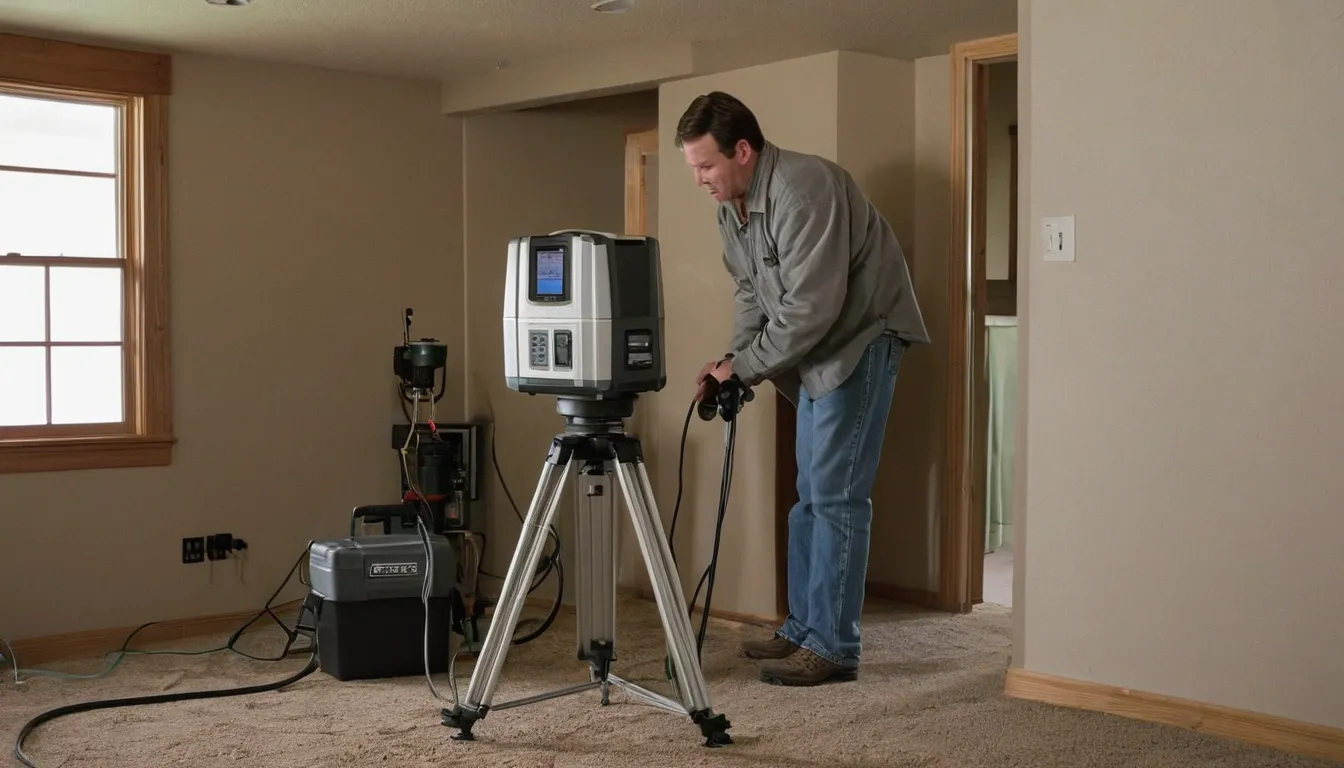
A mold inspection is a careful look through the house for mold growth and the moisture behind it. Testing adds samples, such as air or surface samples, that go to a lab. Together they tell you where mold is, how far it goes, and what kind of cleanup makes sense.
Healthuses Mold Help is a referral service. We do not inspect or test. We connect you with an independent provider in the Columbus area who offers mold inspection and testing for homes. Some providers hold inspection certifications, so ask about them when you talk. In this region, inspections often focus on basements after spring rain, attics after cold winters, and older homes with past water damage.
Can You Smell It but Not See It? Start Here
A musty smell with no visible mold is the most common reason people book an inspection. Mold may be behind drywall, under carpet, or in a wall cavity. A provider can find it without tearing the house apart.
When an Inspection Is Worth It
- You smell mold and cannot find the source.
- There was a flood, a sump pump failure or a burst pipe.
- You see stains on ceilings or walls and do not know how far they go.
- You are buying or selling a house.
- Mold was removed and you want to confirm the job.
If you can already see a large patch, you may not need testing. A provider can tell you if remediation is the better next step.
What Happens During the Visit
Talk First
The provider asks about leaks, floods, smells and the age of the house. Older homes often have a long repair history, and that tells the inspector where to look.
Visual Check
They walk the house, including the basement, attic, crawl space and bathrooms. They look at stains, warping and peeling paint.
Moisture Readings
A moisture meter shows wet drywall and wood. Some providers use a thermal camera to spot cold, damp areas behind walls.
Sampling
If testing makes sense, they take samples and send them to a lab.
Types of Mold Testing
Air Samples
A pump pulls air through a cassette. The lab counts spores. The result is compared with an outdoor sample taken during the same visit.
Surface Samples
A swab or tape lift picks up material from a stain. The lab says whether it is mold and often what type.
Bulk Samples
A small piece of drywall or carpet goes to the lab. This is less common.
Request a callback to check provider availability for an inspection.
Reading the Results
The report should say where mold was found, how much, and what the provider thinks caused it. Ask them to walk you through it. Indoor spore counts much higher than outdoor counts usually point to a problem inside. Lab names for mold types can sound alarming. Ask what they mean for the cleanup, which is what matters for the house.
One Provider or Two?
Some homeowners want one company to inspect and another to do the cleanup. That avoids any conflict of interest. Others prefer one provider for both. Either is fine. Ask the provider how they handle it.
Getting Ready for the Visit
- Keep windows closed for a day before air testing.
- Do not run air purifiers that day.
- Clear a path to the basement, attic hatch and crawl space.
- Write down when you first noticed the smell or stain.
Questions to Ask the Inspector
- Do you hold a mold inspection certification?
- What tests do you suggest, and why?
- Which lab do you use?
- When will I get the written report?
About Medical Questions
We cannot give medical advice. For questions about how mold affects you, talk to a doctor.
What's Included
Full Visual Walkthrough
Basement, attic, crawl space and bathrooms get checked for stains, damage and smells.
Moisture and Thermal Readings
Meters and cameras find damp spots behind walls and under floors.
Air and Surface Samples
Samples go to a lab when testing makes sense.
Written Report and Findings
You get results, likely causes and suggested next steps in writing.
Typical Mold Inspection Costs
Price depends on house size, how many samples are taken, and lab fees. These are typical U.S. ranges and they vary by provider. Get a written quote before the visit is booked.
| Service | Typical range | Notes |
|---|---|---|
| Visual inspection only | $200 to $400 | Includes moisture readings |
| Inspection with air testing | $350 to $700 | Usually two to four samples |
| Each extra air sample | $75 to $150 | Lab fees vary |
| Surface or tape sample | $50 to $100 each | Identifies a visible stain |
| Large home or full survey | $600 to $1,200 | More rooms and samples |
| Clearance testing after cleanup | $250 to $500 | Confirms the job result |
How It Works
Tell Us Why
Describe the smell, stain or water event, and the rough age of the house.
Get Matched With Provider
We pass your request to an independent local mold inspector.
Inspection and Sampling Visit
The provider walks the house, takes readings and collects samples if needed.
Report and Next Steps
You get a written report and decide what to do next.
Why Call Healthuses Mold Help
Real Answers
An inspection tells you where mold is and why, so you stop guessing about a smell.
Local Match
We connect you with a provider who covers your area and offers inspection and testing.
Old-Home Eye
Providers in our network know where moisture hides in older basements and attics.
No Obligation
Get a quote, ask questions, and book only if it makes sense.
Other Services
Need mold inspection & testing in Columbus?
Found mold? Send a short note through the form or Request a callback. We match you with an independent local provider. No obligation.
No obligationMold Inspection & Testing FAQ
Do I need mold testing if I can see the mold?
Often no. If the mold is visible, removal is usually the next step, and testing may add cost without changing the plan. Testing helps when the source is hidden, after flooding, or for a home sale. Ask the provider.
How long do mold test results take?
Most labs return results in two to five business days. Rush service may cost extra. The provider then sends a written report with what was found and what they suggest.
What is certified mold testing?
It usually means the inspector holds a certification from a mold or indoor environment training group, and samples go to an accredited lab. Ask the provider which certification they hold and which lab they use.
Tell us what happened
Found mold? Send a short note through the form or Request a callback. We match you with an independent local provider. No obligation.
No obligation